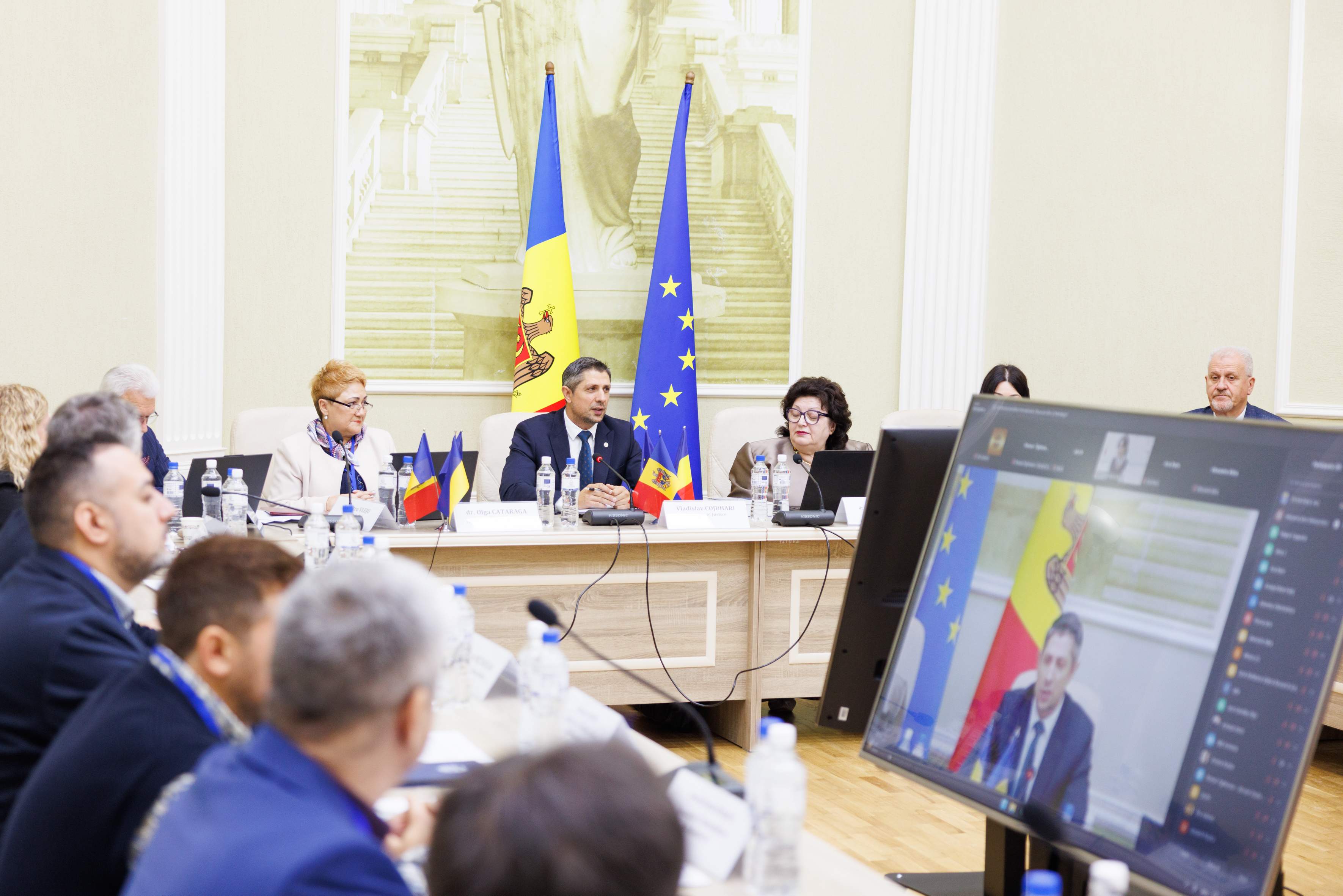
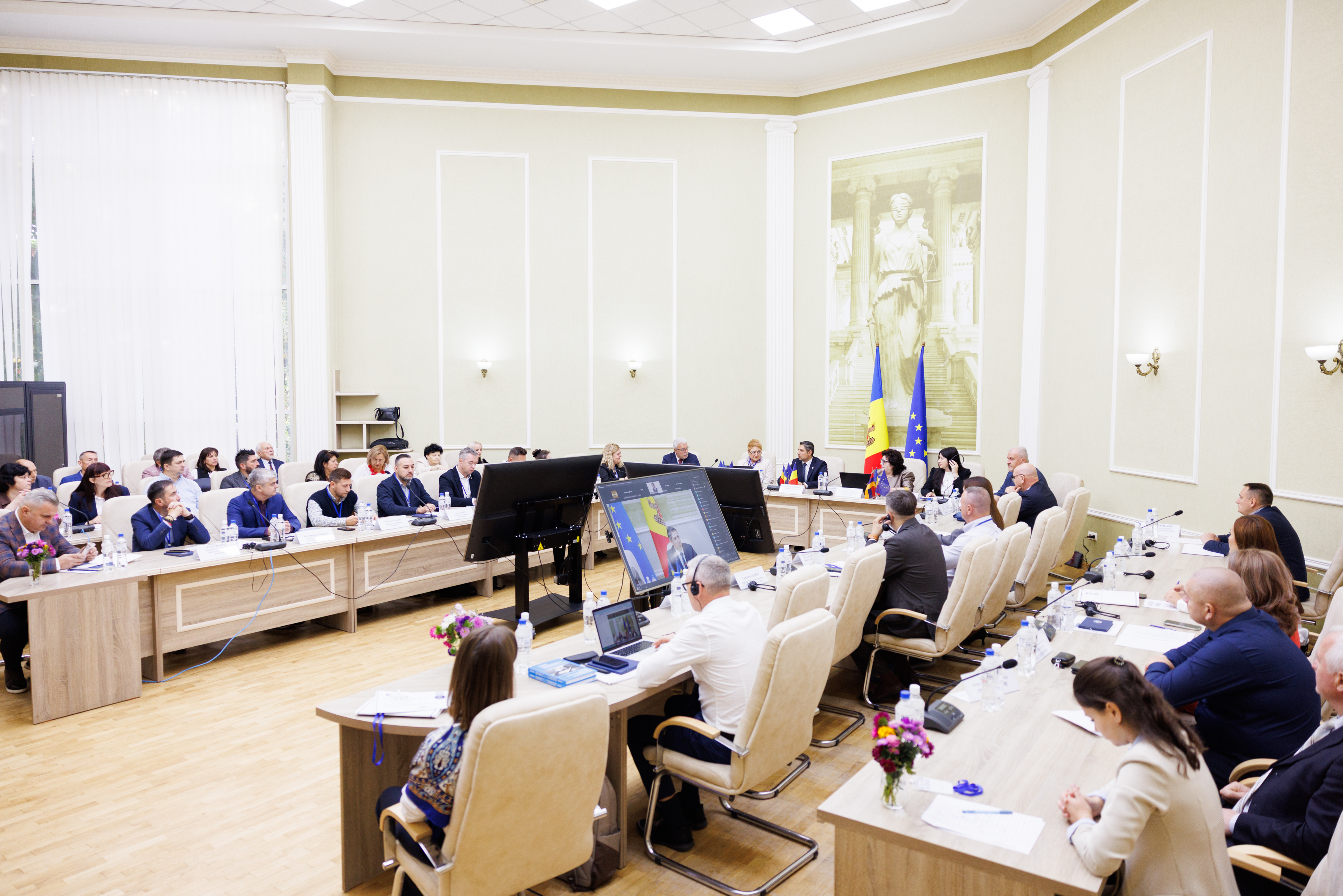
October 2, 2026, Chișinău – Artificial intelligence, digital evidence, and modern technologies are transforming the way forensic examinations are conducted and creating new possibilities for case investigations. At the same time, their use imposes more rigorous requirements regarding method validation and result verification. These topics were discussed at the international scientific-practical conference "Focus on the Future and Technology," held at the Ministry of Justice.
In his opening remarks at the conference, Minister of Justice Vladislav Cojuhari addressed the measures adopted to develop a forensic expertise system that is more professional, transparent, and better aligned with current requirements. These measures include the new mechanism for entering the profession, the regulation of professional internships and qualification exams, the establishment of specialized commissions, and the periodic performance evaluation of forensic experts.
"All these achievements have a single goal: to strengthen the quality of forensic expertise and confidence in its results. However, modernization cannot be limited to the regulatory framework. We are already looking toward the next stage, where technology, digitalization, and science must become natural tools of forensic expertise," the minister stated.
Olga Cataraga, Director of the National Center for Forensic Expertise (CNEJ), emphasized that digitalization is changing the way evidence is identified, collected, examined, and utilized, while artificial intelligence opens up new possibilities for analysis.
"Technology can extend an expert's capabilities, but it cannot replace their competence, independence, and professional judgment. The future of forensic expertise depends on how effectively we use technology in the service of truth and justice," stated Olga Cataraga.
The conference agenda featured presentations and discussions on the use of artificial intelligence to reduce the duration of forensic examinations, the risk of algorithmic bias regarding the right to a fair trial, and the authenticity of digital evidence. Other topics addressed included technologies for biological evidence analysis, the use of drones and 3D scanning in construction forensics, and laboratory accreditation. The program also included a demonstration of the Virtual CSI system, designed for forensic training using virtual reality.
During the event, Minister Vladislav Cojuhari presented specialists and partners with certificates of appreciation and gratitude for their contribution to the development of forensic expertise.
Organized by CNEJ—an institution under the authority of the Ministry of Justice—in partnership with specialized institutions from the Republic of Moldova, Romania, Ukraine, and Armenia, the conference brought together judicial experts, researchers, and academics from both the country and abroad.